Selling on Mountain View Lake: The Shoreland Details That Decide the Deal
August 6, 2026
August 6, 2026
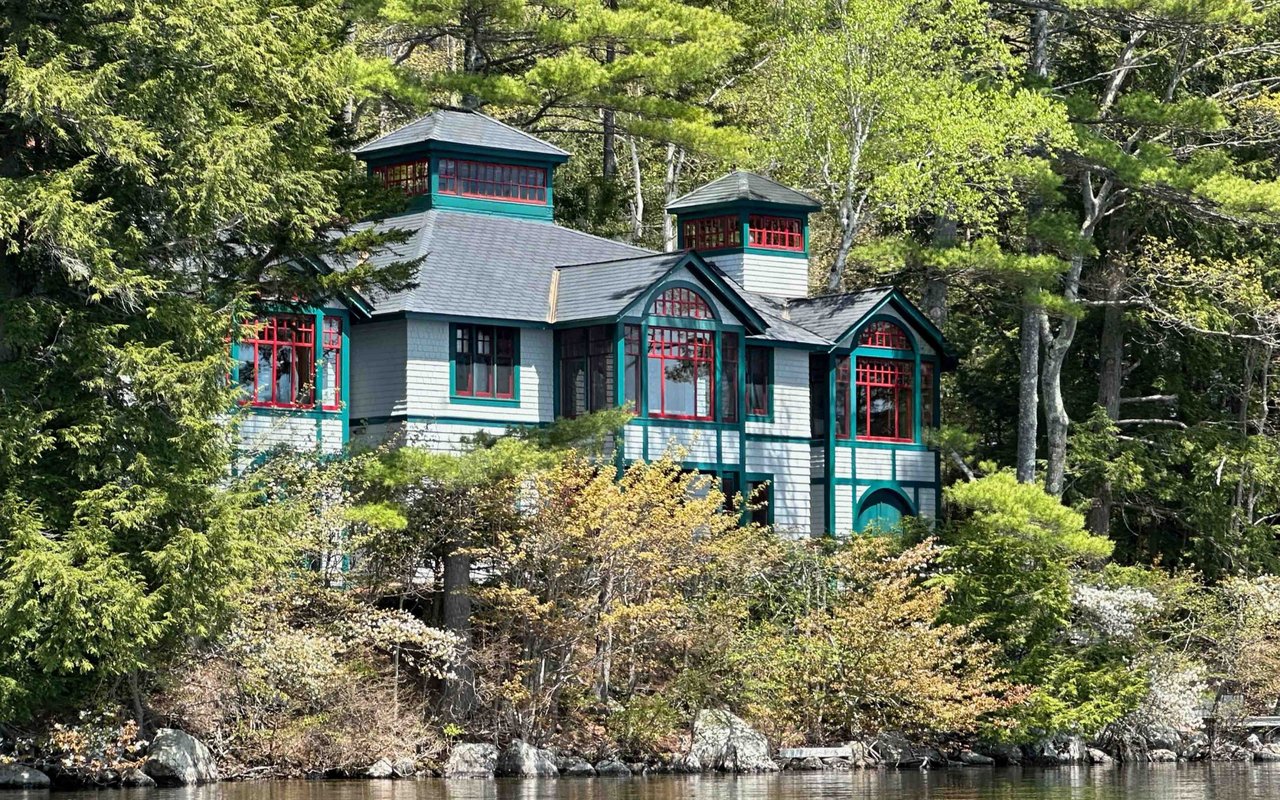
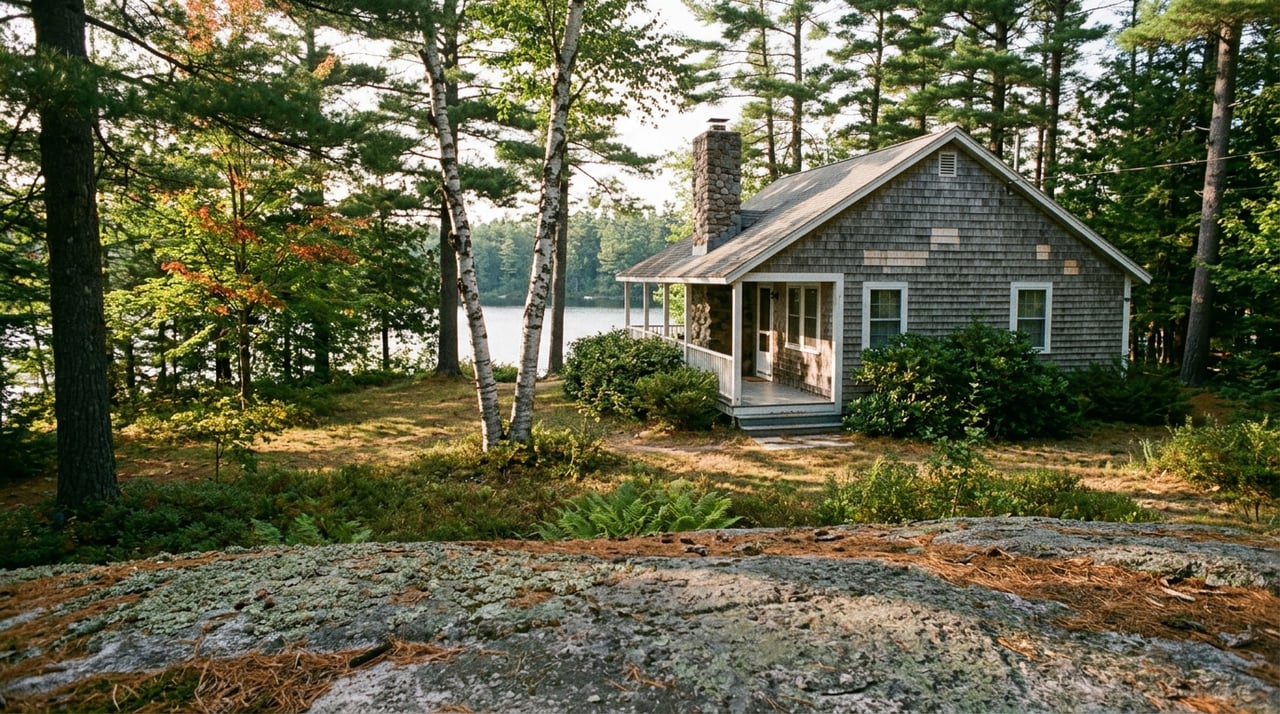
Mountain View Lake is 104 acres of quiet water in Sunapee, ringed by cottages that were built well before New Hampshire had a shoreland statute. That single sentence explains most of the friction a seller will meet at the closing table. The buyer's attorney is not primarily worried about the comp two coves over. They are worried about whether the cottage sitting 32 feet from the water can accept the buyer's plans, and whether the state will treat those plans as maintenance or as redevelopment.
If you are preparing to list on Mountain View Lake, the price your agent puts on the sheet is only the second-most consequential number in the file. The first is the distance from your primary structure to the reference line, and what the New Hampshire Department of Environmental Services will let the next owner do inside the 250-foot zone.
Buyers on a small lake tend to arrive with a renovation in mind. A three-season porch they want to enclose. A dormer. A bunk room over the existing footprint. A new patio closer to the water. Every one of those ideas runs into the same statute, and it is worth understanding before the offer arrives rather than during the inspection window.
The Shoreland Water Quality Protection Act, codified at RSA 483-B and implemented through Env-Wq 1400, applies to every lake in New Hampshire greater than 10 acres. Mountain View qualifies. The protected shoreland runs 250 feet inland from the reference line, measured horizontally, and the primary building setback inside that zone is 50 feet. Most of the cottages on this lake were sited long before either number existed. They are what the state calls nonconforming primary structures, and they carry a specific set of rules that a seller needs to be fluent in.
Before the walkthrough, a well-prepared buyer measures back from the water in bands. Here is the mental picture the state uses.
| Distance from reference line | What the rule allows |
|---|---|
| 0 to 25 feet | No fertilizer other than limestone, no pesticides except by licensed applicator |
| 0 to 50 feet | Waterfront buffer, tree coverage managed by a 25 by 50 foot grid and point system, natural ground cover intact, footpath to water capped at 6 feet wide |
| 50 to 150 feet | Natural woodland buffer, at least 25 percent of the area must remain unaltered |
| 150 to 250 feet | Protected shoreland, impervious surface limits still apply, no tree removal cap |
The state also treats the septic system as part of the picture. Systems are generally expected to sit at least 75 feet from the water, and an increase in loading to an existing system inside the protected shoreland is one of the specific triggers that pulls a project into the permit process.
The definition matters. A nonconforming structure is any primary building that does not meet the 50-foot setback, viewed alone or in combination with attached decks. On Mountain View Lake, that is not the exception. That is the housing stock.
Here is the rule the buyer's attorney will read out loud, from Env-Wq 1400 and the associated FAQ published by NHDES:
Maintenance, repair, and modifications including vertical expansion of existing, legal, nonconforming primary structures do not require a shoreland permit if the existing impervious area footprint is not modified.
That single sentence is the seller's best friend. A new roof, a dormer, replacement windows, interior renovation, even a vertical addition on the existing footprint, generally stays outside the permitting queue. The state's own FAQ confirms that vertical expansion and material changes without a footprint change are treated as repair.
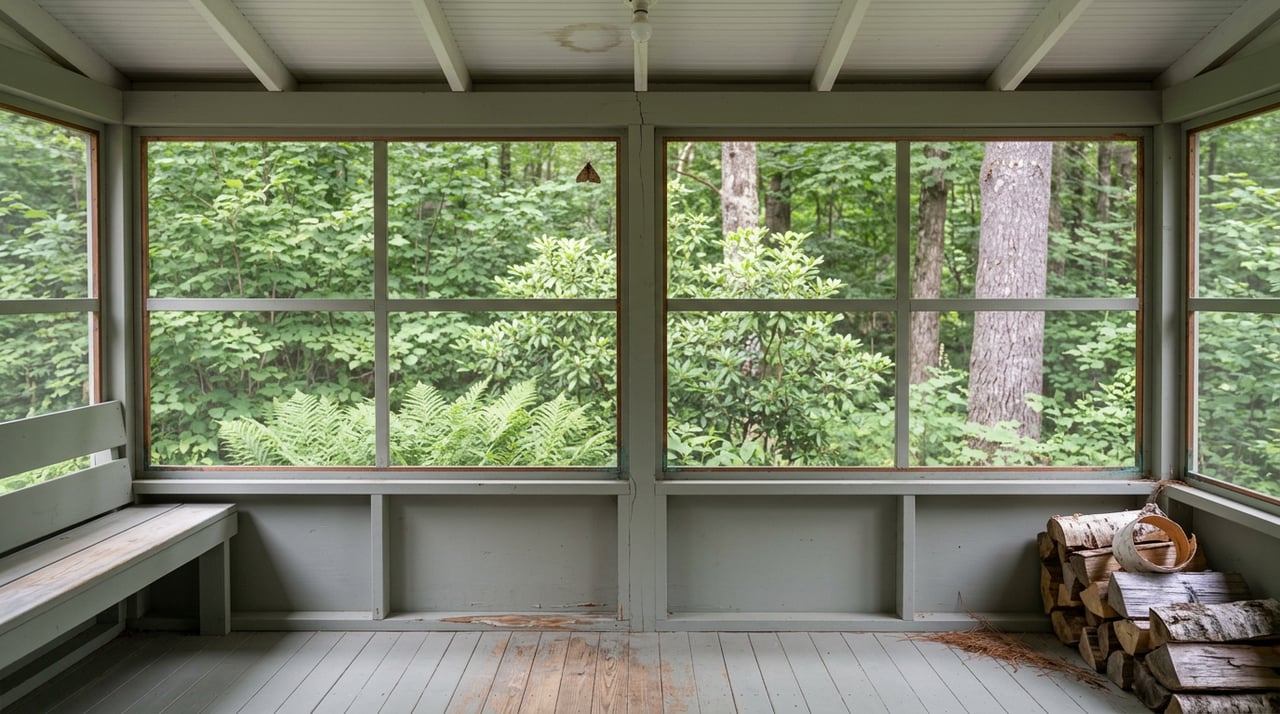
The trouble begins when the buyer wants to expand living space. Enclosing an open porch counts as expanding living space. Converting a screened porch to a heated room counts. Extending outward, even by a foot, counts. Any of those moves inside the protected shoreland requires a permit, and the permit application must include a proposal to make the property more nearly conforming. Worse, if the porch in question sits between the nonconforming structure and the water, RSA 483-B:9, II(b) prohibits its enclosure outright. That is not a discretionary review. That is a statutory bar.
Sellers who understand this ahead of time price and market accordingly. Sellers who do not tend to find out during the buyer's due diligence period, at which point the leverage has shifted.
Buyers planning a new patio, a wider driveway, or a detached garage inside the 250-foot band should understand that impervious surface is capped. The state allows a total impervious footprint that scales with lot size, and any project that adds impervious area within the protected shoreland triggers a permit review. Exposed ledge does not count against the total. Crushed stone and gravel do count unless specifically designed to infiltrate.
For an Alteration of Terrain permit under RSA 485-A:17, the trigger is broader still. Any project disturbing more than 50,000 square feet of contiguous terrain, or any disturbance on a grade of 25 percent or greater within 50 feet of surface water, pulls in a separate NHDES review.
None of this is theoretical for Mountain View. The lake's shoreline is short, the lots tend to be modest, and existing cottages already consume a meaningful share of the allowable impervious footprint. A seller who can hand the next owner a clean impervious calculation has removed a real friction point from the deal.
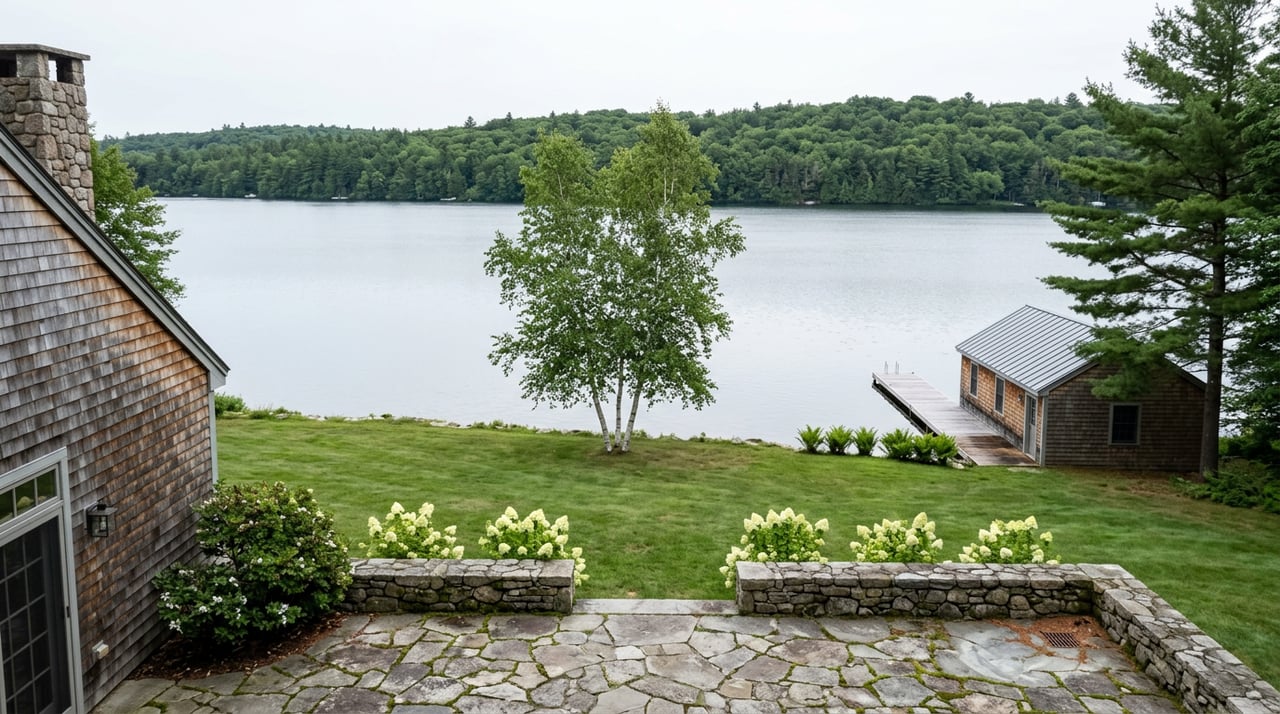
The dock at the end of the lawn is not governed by the Shoreland Act. It falls under the NHDES Wetlands Bureau. Any modification, replacement, or expansion of the dock structure requires review under RSA 482-A, and the fact sheets for dock permits live separately from the shoreland guidance. If the dock has been in place for decades, it may qualify as a legally existing structure that can be maintained without a new permit. If it was widened, lengthened, or reconfigured without documentation, that is a diligence item worth resolving before the listing goes live.
Mountain View Lake is monitored through the NHDES Volunteer Lake Assessment Program. The most recent public reports describe the lake as borderline oligotrophic to mesotrophic, with chlorophyll levels stable to improving and phosphorus in a moderate range. Two data points show up consistently across reports and are worth knowing.
Epilimnetic conductivity has been trending significantly upward since monitoring began, which is the signature of gradual chloride accumulation. At Hamel Brook near Route 103, chloride readings have at times approached the state chronic chloride standard. The likely source is winter road salt on Route 103, and NHDES has recommended encouraging local winter maintenance companies to pursue Green SnowPro certification through the UNH Technology Transfer Center.
For a seller, this is not a defect. It is context. A prepared listing agent can present the VLAP reports alongside the disclosure package and short-circuit the vague "I heard the water is getting salty" conversation that otherwise gets whispered between the buyer and their inspector.
The Mountainview Lake Protection Association is the small nonprofit that funds the VLAP testing, coordinates exotic species monitoring, and publishes the courtesy rules that shape how the lake feels on a Saturday afternoon. Dues are $50 per year, payable by August 1, and the annual meeting is held around the Fourth of July. In 2025 it was on July 5.
The association's courtesy rules matter to buyers because they set the tone of the lake. Power boats are asked to run counter-clockwise. Members suggest no more than two or three ski boats operating at once. Layered on top of the state law setting a 150-foot headway rule around swimmers, docks, and shorelines, and confining water skiing to sunrise-to-sunset hours, the lake reads as an actively managed community rather than a free-for-all. A seller can and should mention this. It is a genuine differentiator against louder waters in the region.
Sellers who complete this list before pricing the property tend to receive cleaner offers and shorter due diligence periods. The buyer's team has less to discover, which means less to renegotiate.
Can the buyer add a second story if the cottage sits 32 feet from the water? Generally yes. Vertical expansion of a legal nonconforming primary structure without a change to the impervious footprint does not require a shoreland permit under Env-Wq 1400. Local zoning may impose its own height and setback rules.
Can the buyer enclose the screened porch facing the lake? If the porch sits between the nonconforming primary structure and the reference line, RSA 483-B:9, II(b) prohibits the enclosure. That is a hard stop, not a permit exercise.
Does the buyer have to bring the septic system into conformance at closing? Not automatically. A shoreland permit is triggered when a project would increase loading on the existing system inside the protected shoreland. A straight resale, without a planned expansion, does not itself trigger a septic upgrade.
Are there stricter local rules on top of the state law? Possibly. The town of Sunapee can maintain rules more stringent than RSA 483-B, and buyers should confirm local ordinances alongside the state statute.
A Mountain View Lake sale rewards preparation. The buyer's questions are predictable, the state's rules are written down, and the association publishes its own guidance in public. What changes deal by deal is how those pieces are arranged in the file the buyer's team receives on day one.
If you are thinking about selling on Mountain View Lake or elsewhere in the Sunapee region and want a considered read on how the shoreland file will shape your price and your timeline, Pamela Perkins would welcome the conversation. Get in touch.
Discover additional insights, market perspectives, and curated real estate guidance.
With generational ties to Lake Sunapee and a record that defines the New Hampshire luxury market, Pam Perkins represents a level of knowledge, discretion, and performance that few can match. Her clients trust her not only because of what she’s sold — but because of what she knows.
Connect with New Hampshire’s Top Broker