How Seasonal Demand Shapes Lake Sunapee Listings
July 9, 2026
July 9, 2026
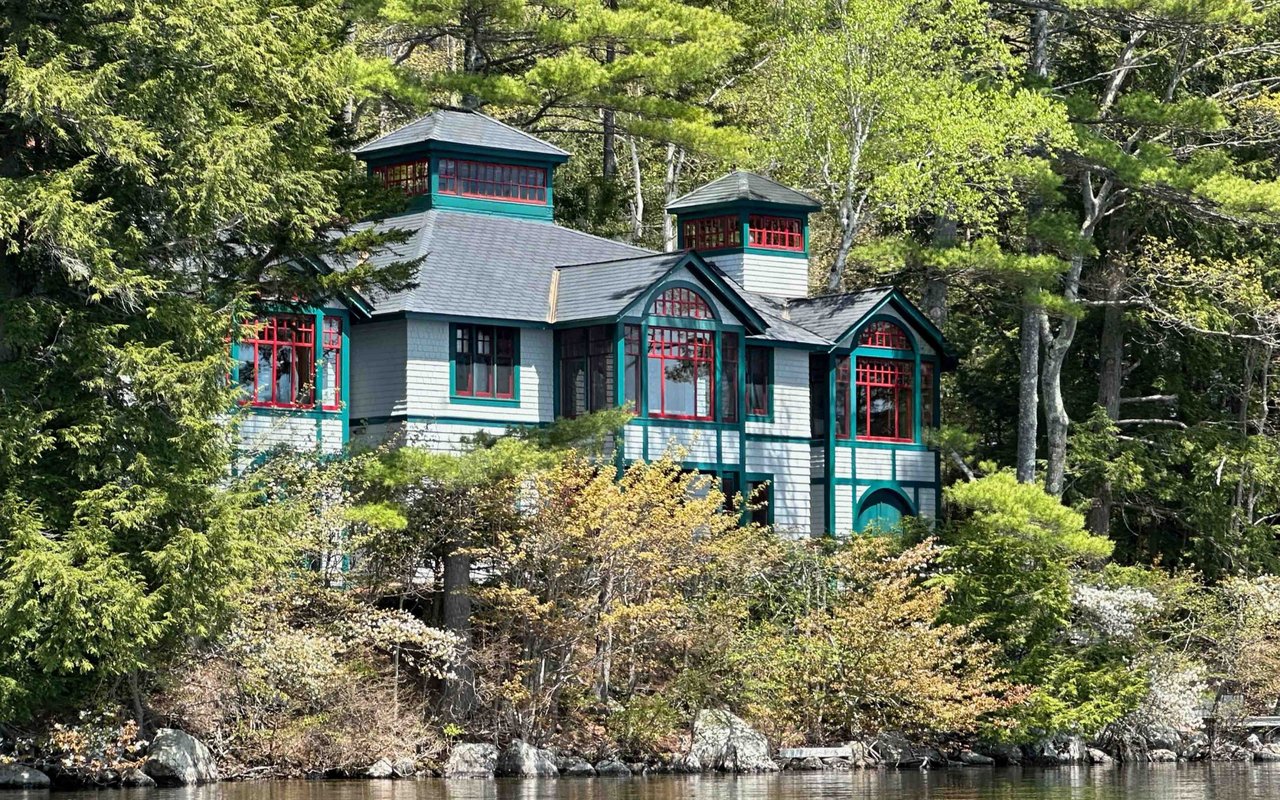
If you have ever wondered why some Lake Sunapee listings seem to capture immediate attention while others need a more careful strategy, the answer often comes down to seasonality. In this market, timing is not just about the calendar. It is about when buyers can fully experience the lake, the harbor, and the four-season lifestyle that shapes demand. If you are thinking about buying or selling near Lake Sunapee, understanding that rhythm can help you make more informed decisions. Let’s dive in.
Lake Sunapee is not defined by summer alone. The area draws visitors and homeowners throughout the year, with boating and waterfront activity in summer, foliage in fall, skiing at nearby Mount Sunapee in winter, and hiking and biking in spring.
That year-round appeal matters because it keeps Lake Sunapee visible to different types of buyers in different seasons. Some people come for lake living first, while others are drawn by skiing, scenic drives, or the overall second-home lifestyle.
The Lake Sunapee Scenic Byway, a 39-mile loop around the lake, connects villages, recreation areas, and viewpoints that help shape how buyers experience the area. Sunapee Harbor also plays an important role in summer, with shops, restaurants, live music, and scenic cruise boats contributing to the area’s active waterfront feel.
Seasonal demand shapes how buyers view value, access, and lifestyle. On Lake Sunapee, many buyers are not just comparing square footage or finishes. They are also judging how a property lives during the part of the year that matters most to them.
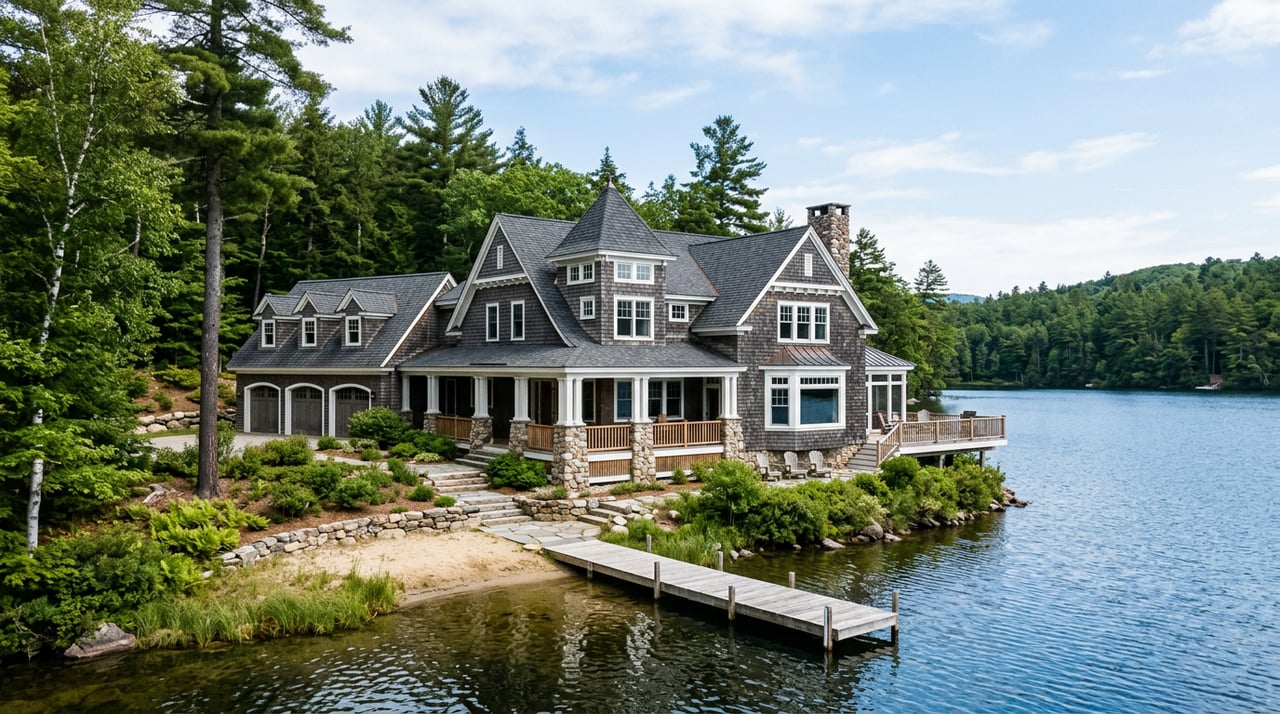
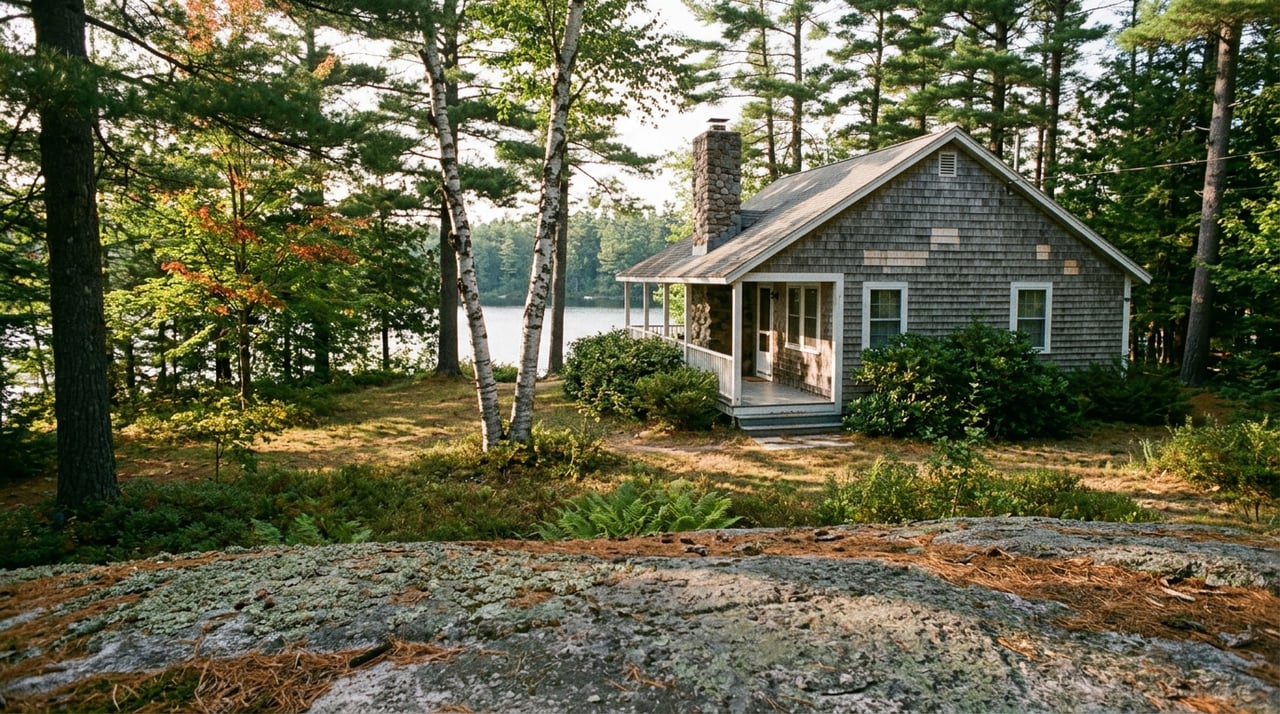
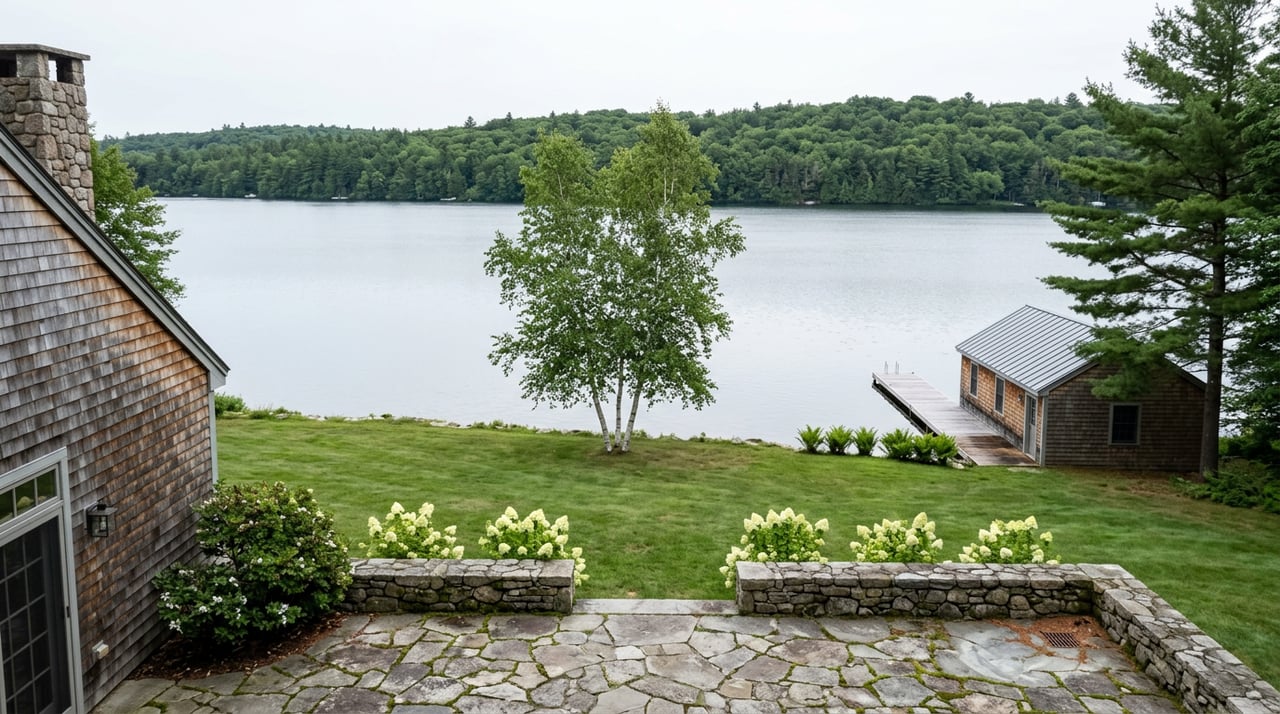
For waterfront and water-access homes, open-water season is especially important. During those months, buyers can better evaluate shoreline conditions, dock or mooring use, boating patterns, and how the property connects to the lake day to day.
Lake Sunapee covers about 4,155 acres, stretches 8.1 miles, and reaches a maximum depth of 112 feet. It also has four public boat ramps and one private ramp open to the public, with Lake Hosts staffing ramps from May through September. Those details reinforce a simple point: access is central here, and access is easiest to understand when the lake is fully active.
Summer tends to be the season when the Lake Sunapee lifestyle is easiest to see and feel. Boats are out, shoreline activity is visible, harbor traffic is active, and the landscape is at its greenest.
That does not mean every listing should wait until midsummer. It does mean that homes tied closely to lake use often benefit when buyers can see the property in its most natural setting.
This is particularly relevant in a market influenced by second-home ownership and short-term rental activity. In nearby New London, the 2022 vacancy rate was 32.5%, including 714 seasonal or recreational vacant units. The same housing assessment reported strong summer occupancy in 2024 at 68%, even as more active listings were added, and luxury nightly rates peaked above $1,032 in August 2023.
Those numbers suggest a strong seasonal audience for the broader Lake Sunapee submarket. For sellers, that often means the open-water months bring more buyers who are actively evaluating lifestyle as well as property features.
While summer may be when the lake is fully in motion, spring is often when smart preparation pays off. National market data points to mid-April as a strong general listing window, though local conditions still matter most.
For Lake Sunapee, spring offers a valuable balance. You can often bring a property to market as buyer attention rises, natural light improves, and landscaping begins to support stronger presentation.
This can be especially useful if your home will compete for buyers before the late-season surge in new listings. By the end of June, new sellers nationally are nearly 1.4 times the start-of-year level, which means waiting too long can increase competition.
If you own a distinctive waterfront or legacy property, preparation should start well before your target list date. That gives you time to make pricing decisions, gather property details, plan photography, and align family stakeholders if the home has been held for generations.
For many Lake Sunapee sellers, this lead time is where strategy begins. Unique properties rarely benefit from a rushed launch.
Not every Lake Sunapee listing responds to seasonality in the same way. Direct waterfront, water-access, and in-town or nearby homes can each attract different buyers and follow different timing patterns.
Direct waterfront is often its own submarket. A 2024 Lake Sunapee waterfront market report recorded only 14 direct waterfront sales, with an average 44 days on market and a median sales price of $2.175 million.
That is a small and selective market. Buyers at that level may be highly motivated, but they also tend to be more deliberate because shoreline quality, privacy, orientation, and access details can vary significantly from one property to another.
Water-access homes may benefit even more from being shown when lake use is visible and easy to understand. Buyers often want clarity on how access works in practice, not just on paper.
For waterfront and water-access properties, buyers are often focused on practical questions such as:
The more clearly those questions are answered, the easier it is for a listing to connect with the right buyer.
Although summer gets much of the attention, Lake Sunapee remains active beyond boating season. The area’s four-season appeal includes fall foliage, winter skiing and snowboarding at Mount Sunapee, and spring outdoor recreation.
That matters because a property listed in fall or winter is not automatically at a disadvantage. It may simply need a more intentional presentation and pricing strategy.
For example, strong visuals captured during warmer months can be especially helpful for a winter listing. If your home’s value is tied to lake views, outdoor living, or shoreline features, having high-quality photography before early October can be wise because the lake level is intentionally lowered a few feet at that time.
In winter and the shoulder seasons, casual traffic may be lower, but motivated buyers are still in the market. Some are focused on ski access or year-round second-home use. Others are watching closely for limited lake inventory and are willing to move when the right property appears.
That can create opportunities, especially for well-positioned listings with strong marketing assets and realistic pricing.
Even in a market with strong seasonal demand, timing alone does not guarantee results. Pricing and positioning still matter.
In May 2026, Sunapee had 31 homes for sale, a median listing price of $659,900, a median sold price of $559,900, and a median 26 days on market. Homes were selling at 100% of asking price on average, and the market was characterized as a seller’s market.
That tells you demand has remained solid, but it also shows the importance of reading the current market instead of relying on assumptions. A lakefront estate, a water-access home, and a village property may each require a different pricing conversation, even in the same season.
If you are considering a sale, the best approach is usually to think backward from your ideal launch window. That gives you room to prepare the property, refine your pricing strategy, and present the home when buyers can best understand its value.
A thoughtful plan often includes:
For distinctive Lake Sunapee properties, that kind of planning can make a meaningful difference. Buyers here are often purchasing more than a house. They are evaluating a lifestyle, a setting, and in many cases a long-term family asset.
If you are buying, seasonal demand can affect both competition and clarity. Seeing a home in summer may give you the clearest picture of lake use, but it may also mean more competing buyers are active.
Shopping in fall, winter, or early spring can sometimes offer a different advantage. You may face less casual competition, and if the property has been well documented, you can still evaluate its warm-weather potential with confidence.
In either case, local context matters. On Lake Sunapee, understanding how a property functions across seasons is often just as important as understanding its finishes or square footage.
If you are weighing the right timing for a sale or trying to understand how seasonal demand may affect your search, working with a local market expert can help you see the full picture. For tailored guidance in the Lake Sunapee region, connect with Pamela Perkins.
Discover additional insights, market perspectives, and curated real estate guidance.
With generational ties to Lake Sunapee and a record that defines the New Hampshire luxury market, Pam Perkins represents a level of knowledge, discretion, and performance that few can match. Her clients trust her not only because of what she’s sold — but because of what she knows.
Connect with New Hampshire’s Top Broker