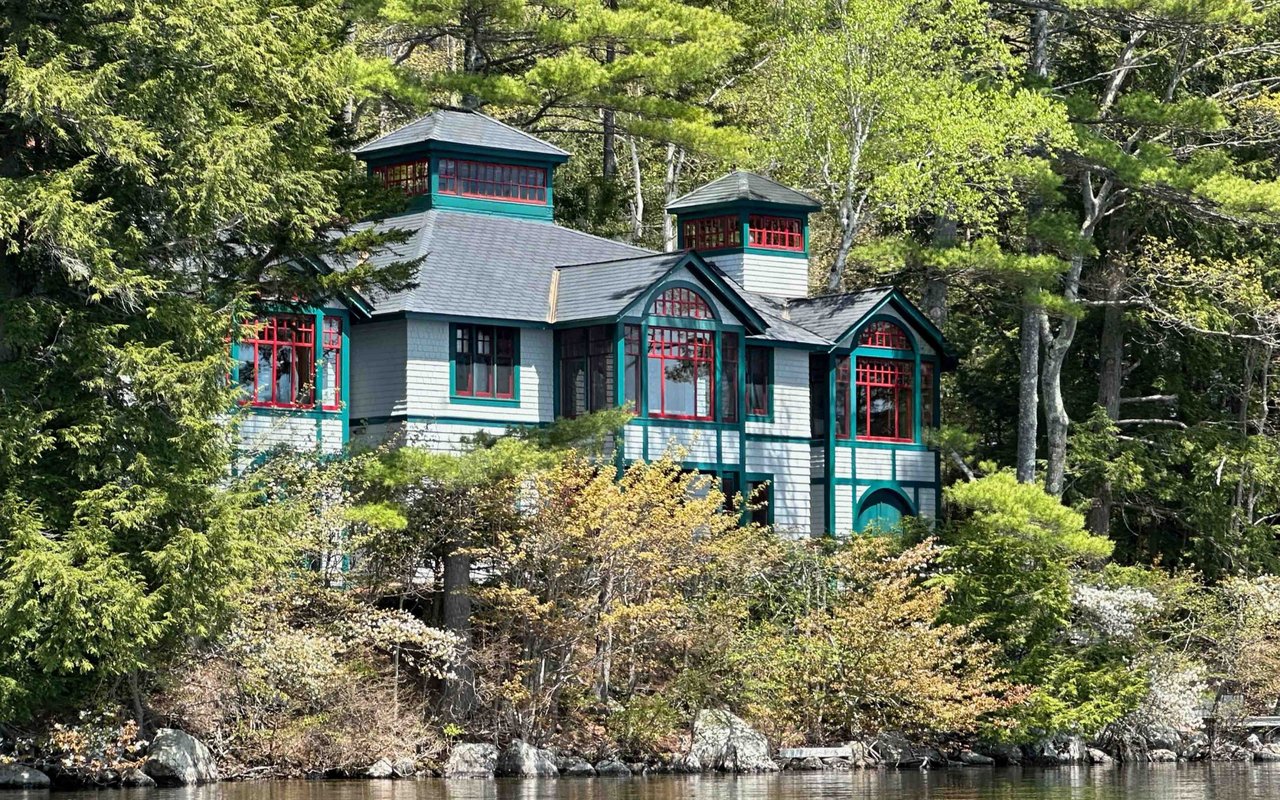
Otter Pond Homes Near Mount Sunapee: What To Know
May 28, 2026
May 28, 2026
Looking for a place that gives you both pond access and easy proximity to Mount Sunapee? Otter Pond stands out for exactly that reason. If you are considering a home in this part of Sunapee, it helps to understand not just the setting, but also the ownership details, shoreland rules, and lifestyle tradeoffs that come with it. Let’s dive in.
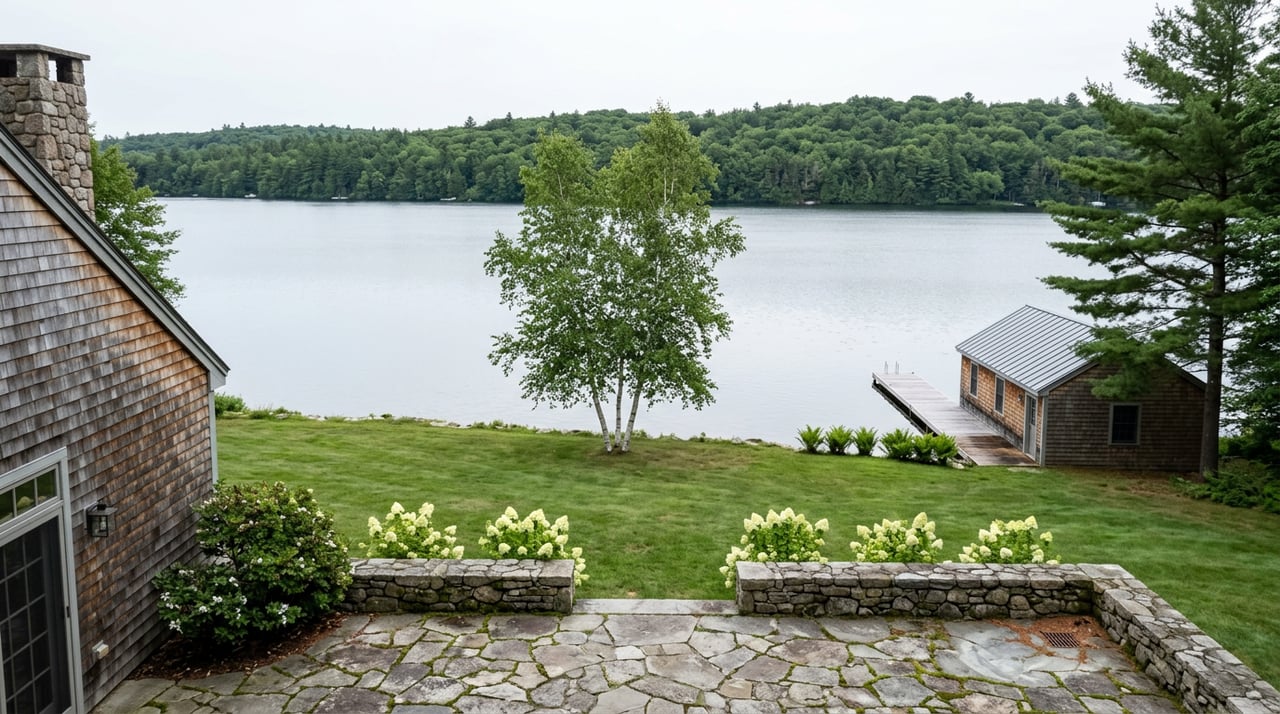
Otter Pond is one of Sunapee’s five great ponds and is shared with New London. Sunapee’s master plan lists it at 185 acres, while the Otter Pond Protective Association describes it as about 187 acres and 32 feet deep. It is part of the Lake Sunapee watershed, with water flowing from Little Lake Sunapee through Goose Hole and Otter Pond before entering Lake Sunapee.
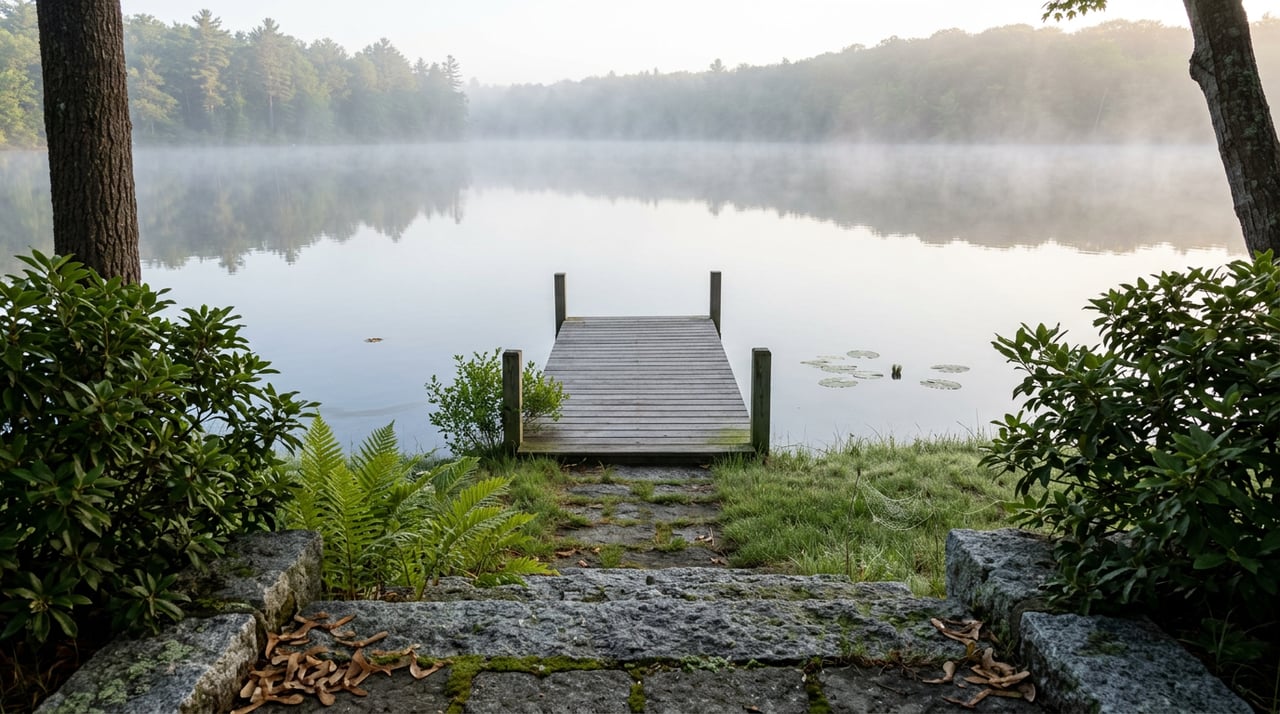
That setting gives Otter Pond a very specific feel. It offers a smaller-scale pond environment than Lake Sunapee, with a quieter and more stewardship-focused character. For many buyers, that balance is the appeal.
The pond’s recreational use is broad but low-key. The Otter Pond Protective Association notes swimming, boating, waterskiing, fishing, ice skating, snowshoeing, and cross-country skiing as part of the pond culture. Jet skis are prohibited, and there is also a small beach open for public use.
For buyers focused on four-season living, Otter Pond benefits from its location near Mount Sunapee. Mount Sunapee operates as a year-round recreation destination, with winter and summer trail maps, a summer bike map, an adventure park map, and a summit hiking map. Its 2025-2026 operating plan also notes hiking trails, hiking on ski trails in summer and fall when conditions and operations allow, and summer summit sky rides.
The town of Sunapee describes the area as a true four-season community. In practical terms, that means lake activities in summer, foliage in fall, skiing nearby in winter, and hiking and biking in spring. If you want a home base that supports more than one season well, Otter Pond fits that pattern.
For second-home buyers especially, this combination can be compelling. You get a more compact pond setting paired with access to mountain recreation. That creates a strong ski-and-lake lifestyle without the scale of a larger lake market.
One of the most important things to know is that Otter Pond does not appear to be a one-format market. Sunapee’s town valuation materials reference an Otter Pond Yacht Club association whose homes are unique detached structures valued as standard residential properties. That is a useful sign that some properties may function within an association structure even when they look like standalone homes.
Recent listing examples also suggest a mixed product set in the area. Examples have included a year-round ranch on Otter Pond, a year-round home with pond views and pond access, and a condo with three levels and Otter Pond views. These examples are best treated as market illustrations, but they help show the range buyers may encounter.
If you are shopping here, ownership documents deserve as much attention as the water view. Some properties may be fee simple, some may be condo-style, and some may include association-based rights or restrictions. That can affect how you use and enjoy the property long after closing.
At Otter Pond, the details matter. A home’s value is not only about frontage or views, but also about the specific rights and obligations tied to the property.
Before you move forward, it is smart to confirm:
This step is especially important in a market where detached homes may still be part of an association framework. Clear expectations up front can help you avoid surprises later.
Because Otter Pond is a public waterbody larger than 10 acres, it is subject to both state and local shoreland controls. New Hampshire’s Shoreland Water Quality Protection Act uses a 250-foot protected shoreland standard. Sunapee’s zoning materials also add a shoreline overlay and permit process for work within 250 feet of lakes and ponds, along with a 150-foot natural woodland buffer for certain vegetation removal.
For buyers, that means shoreline ownership comes with additional review. Work that might seem routine on another property could require permits here. If a home is within the shoreland area, it is worth understanding those limits before planning improvements.
Sunapee’s permit forms and zoning ordinance require review for projects within 250 feet of waterbodies. The town’s shoreline materials also reference the 150-foot natural woodland buffer for certain clearing and tree-cutting activities. If you are considering additions, landscaping changes, or exterior updates, this should be part of your due diligence.
Waterfront buyers should pay close attention to Sunapee’s local septic regulations. In the Shoreline Overlay District, septic tanks must be pumped at least once every three years. Sellers of developed waterfront properties must also submit a Waterfront Property Site Assessment Study within 10 days of sale.
These rules matter because many lakeside homes in town are seasonal, and the town’s master plan identifies runoff, impervious cover, aging septic systems, and road salt as major threats to water quality. On a connected watershed like this one, property stewardship is part of ownership.
If you are buying a second home or a property you plan to use year-round, it is wise to review the septic history and understand any site-related obligations early in the process. Those details can shape both your maintenance planning and your renovation plans.
Buyers often focus on the house first and the site rules second, but around Otter Pond that order should be reversed. Shoreline regulations can affect how you approach tree work, clearing, and lawn care.
The state shoreland summary says fertilizer cannot be applied within 25 feet of the reference line. Sunapee’s 2025 health release goes further and says fertilizer, except limestone, is prohibited within 250 feet of lakes, ponds, and rivers. If landscaping is part of your vision, review those rules before closing rather than after.
That same principle applies to vegetation management. If your goal is to open up a view, adjust the shoreline, or expand usable outdoor space, you will want a clear understanding of local review and buffer requirements first.
Otter Pond sits in a useful middle ground within Sunapee’s water-body hierarchy. Sunapee’s master plan lists Lake Sunapee at 4,090 acres, Otter Pond at 185 acres, Perkins Pond at 157 acres, Mountain View Lake at 105 acres, Ledge Pond at 110 acres, and Wendell Pond at 11 acres.
That size helps explain its market position. Otter Pond is meaningfully smaller than Lake Sunapee, but still substantial enough to support a full recreational lifestyle. For many buyers, that translates to a more intimate setting without giving up year-round enjoyment.
Perkins Pond is the closest size comparison, at 157 acres in the master plan. Mountain View Lake and Ledge Pond are smaller still. If you are comparing locations, Otter Pond often appeals to buyers who want a quieter water experience while staying connected to the broader Sunapee area.
Little Lake Sunapee is another useful comparison because of the watershed connection. The Little Lake Sunapee Protective Association says it is 486 acres, and its water flows out through Goose Pond and Otter Pond before reaching Lake Sunapee. Buyers who are weighing different lake environments may find that context helpful.
Otter Pond can be a strong fit if you want a home that supports both outdoor recreation and a more measured pace. It may appeal to you if you are looking for year-round use, a second-home retreat, or a water-access lifestyle that feels a bit more understated than a larger lake setting.
It can also suit buyers who value local stewardship and are comfortable with the responsibilities that come with shoreline ownership. The rules here are not just background details. They are part of how the pond is protected and why the setting feels the way it does.
From a market perspective, this is where local guidance makes a difference. A pondfront or pond-access purchase is rarely just about finding a home you like. It is about understanding the rights, restrictions, site conditions, and long-term fit of that specific property.
If you are considering Otter Pond homes near Mount Sunapee, careful due diligence can help you buy with confidence. For thoughtful guidance on Otter Pond, Sunapee, and the broader Lake Sunapee market, connect with Pamela Perkins.
Discover additional insights, market perspectives, and curated real estate guidance.
With generational ties to Lake Sunapee and a record that defines the New Hampshire luxury market, Pam Perkins represents a level of knowledge, discretion, and performance that few can match. Her clients trust her not only because of what she’s sold — but because of what she knows.
Connect with New Hampshire’s Top Broker