Lake Kolelemook Cabins And Cottages Buyer Guide
June 11, 2026
June 11, 2026
If you are drawn to the idea of a quieter New Hampshire lake, Lake Kolelemook deserves a closer look. This small Springfield lake offers a very different experience from the region’s larger, busier waterfront markets, and that can be exactly the appeal if you want privacy, simplicity, and a strong sense of stewardship. In this guide, you’ll learn what makes Lake Kolelemook distinct, what to expect from cabins and cottages here, and what to evaluate before you buy. Let’s dive in.
Lake Kolelemook is a 94-acre lake in Springfield, New Hampshire, bordered by Main Street, Bowman Road, and Four Corners Road. The road loop around the lake is about 3 miles, which helps define the area’s intimate scale. For many buyers, that smaller footprint is one of the lake’s biggest strengths.
The lake is classified as oligotrophic, which generally means clear, cool water with low nutrient levels and relatively limited aquatic growth. Local materials describe year-round recreation that includes swimming, fishing, sailing, kayaking, water skiing, ice fishing, ice skating, and cross-country skiing. If you want a lake that feels active but not overbuilt, this setting can be very appealing.
Springfield describes itself as a rural residential community with uncrowded living conditions. That context matters when you compare Lake Kolelemook with more destination-oriented lake markets nearby. This is not a highly commercialized lake environment. It is better understood as a small-scale, residential lake community.
One of the clearest differences at Lake Kolelemook is access. The New Hampshire lake map lists the launch as a town launch for residents only. That detail, combined with the lake’s modest size, helps create a more controlled, lower-traffic feel on the water.
For some buyers, that means a better match for morning paddles, swimming off the dock, and a generally calmer setting. For others, it may mean adjusting expectations if they are used to larger lakes with broader public access and more boating activity. The right fit depends on the lifestyle you want.
Compared with Lake Sunapee, the difference is striking. Lake Sunapee is about 4,155 acres, has a 25-mile drive around the lake, and offers multiple public access points. Lake Kolelemook, by contrast, is 94 acres with a maximum depth of 22 feet and a much more intimate scale.
Even Little Lake Sunapee is substantially larger at 486 acres. So if your priority is a quieter lake atmosphere rather than a big-lake environment, Lake Kolelemook sits on the more private-feeling end of the spectrum.
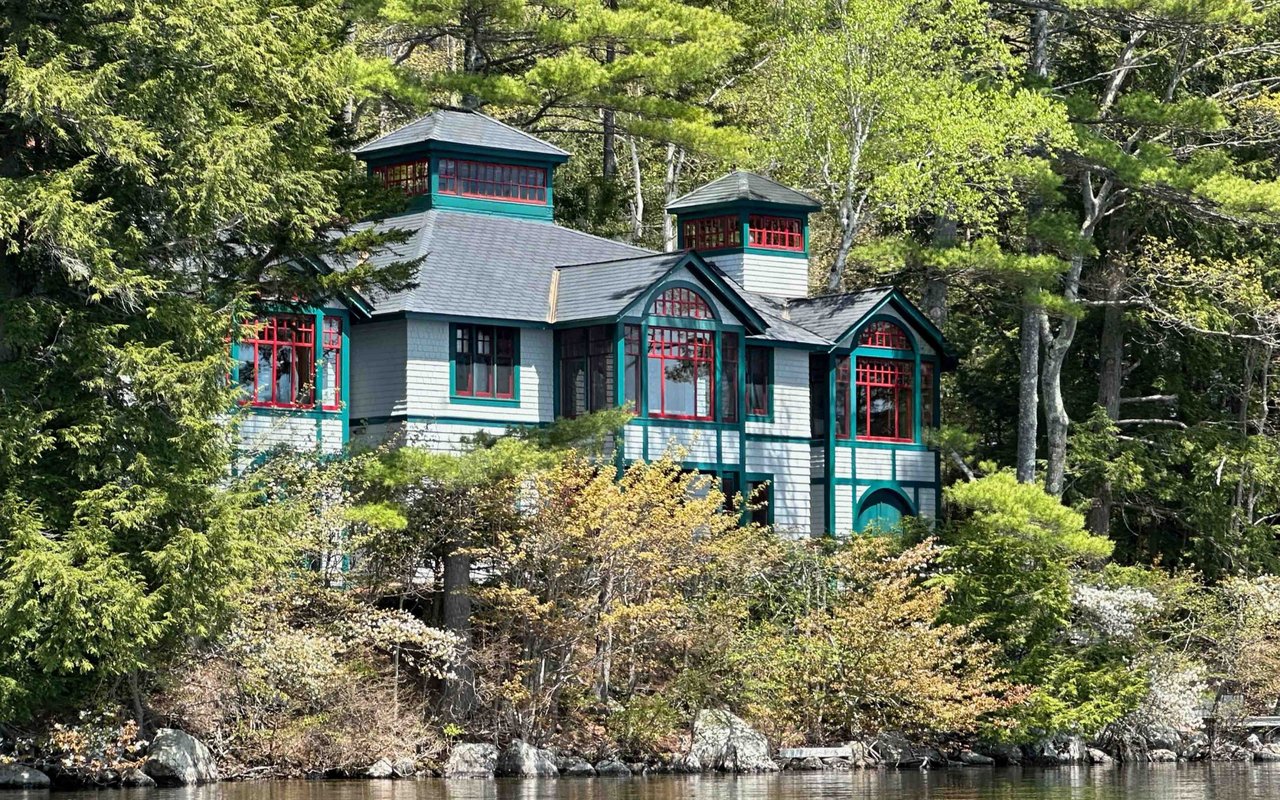
A Lake Kolelemook buyer guide needs to start with one important point: not every property offers the same kind of lake access. Some homes are true waterfront properties with private shoreline. Others are cottages or homes with shared beach rights, dock access, or access through an association setting.
Recent listing examples show that the product mix can vary quite a bit. Some homes have been marketed as year-round residences, while others are better described as smaller cottages or access-oriented properties. That means you should confirm the exact use, access rights, and property setup rather than assume all lake-area homes function the same way.
Lot sizes also vary, but many appear relatively modest by waterfront standards. Recent examples ranged from about 0.37 acres to 2.3 acres, with waterfront examples showing roughly 90 to 136 feet of shoreline. In practical terms, privacy here often comes from the lake’s scale, limited access, and thoughtful parcel layout rather than from very large estates alone.
Some Lake Kolelemook properties are part of more structured access communities. Kolelemook Shores Association, for example, describes 25 lots, more than 50 acres of preserved land, private access roads on Homan Road and Lamson Lane, and a shared boat house for certain non-waterfront lot owners.
That creates a different ownership experience from a traditional stand-alone waterfront parcel. You may gain shared amenities, preserved open space, or a more controlled private-road setting. At the same time, you should understand any association responsibilities, road arrangements, and shared-use expectations before moving forward.
For many buyers, this is where local guidance matters most. Two homes can both be described as “near the lake,” but the value and daily experience may be very different depending on whether you are buying direct frontage, deeded access, shared access, or an association-based setup.
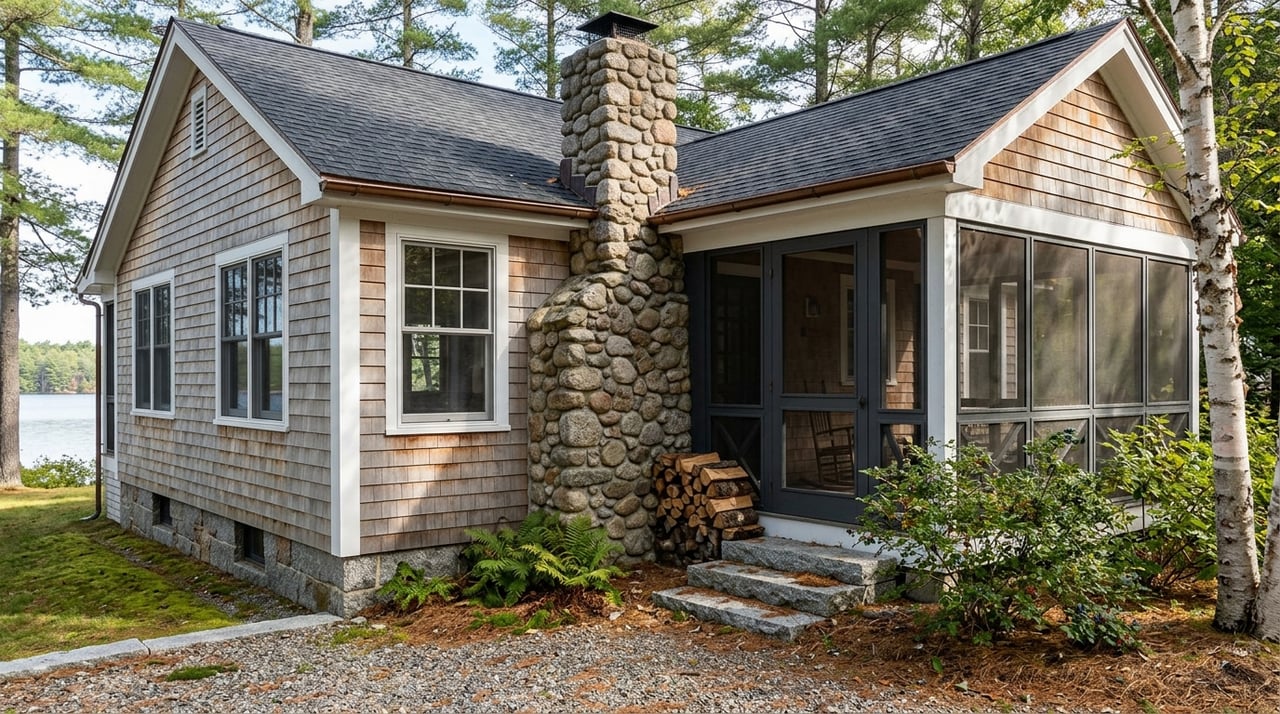
Older lake cottages can offer charm, character, and a simpler entry point into a waterfront lifestyle. But at Lake Kolelemook, they also require careful due diligence. A home’s appeal should always be matched with a close look at systems, site conditions, and regulatory limits.
If a waterfront property has a septic system within 250 feet of a waterbody, New Hampshire requires a septic evaluation before transfer. If the system is failing, it must be replaced. This is one of the most important items to confirm early when you are considering an older cabin or cottage.
State shoreland guidance says primary structures generally need a 50-foot setback from the reference line, while accessory structures generally need a 20-foot setback. Springfield also has a zoning overlay covering land within 100 feet of any water body, and the town states that new lake lots need at least 200 linear feet of shore frontage.
These rules matter if you hope to expand, rebuild, add an accessory structure, or make other changes over time. A cottage that works well today may have limited flexibility tomorrow. Before you buy, it is wise to verify what is existing, what is permitted, and what improvements may be restricted.
Springfield’s shoreland ordinance says boathouses are allowed only by conditional use and restricts other work that could affect water quality or shoreline character. That means items such as retaining walls, beach changes, clearing, dock-related work, and additions should be reviewed carefully.
If a property’s shoreline features are a big part of its appeal, do not rely on assumptions. Make sure you understand what has been approved, what may be grandfathered, and what future changes may require town or state review.
Lake stewardship is a real issue at Kolelemook. The local association’s current focus includes runoff from higher ground around the lake, along with chlorides, phosphorus, and cyanobacteria. Water sampling results from 2023 were described as mostly stable or improving, but chlorophyll-a rose above the New Hampshire median, which has sharpened attention on shoreline buffers, septic maintenance, and stormwater management.
For you as a buyer, that means site conditions deserve close attention. Look carefully at grading, driveway runoff, roof drainage, lawn treatment near the water, and how the lot handles heavy rain. These practical details can affect both property enjoyment and long-term stewardship.
Some Lake Kolelemook homes are suitable for year-round living, but not all cabins and cottages should be treated that way automatically. Listings in the area have included true year-round homes as well as smaller seasonal properties. The difference can be significant in both comfort and maintenance.
If you are hoping to use the property in all seasons, confirm the heating system, insulation, plumbing freeze protection, and driveway usability. Winter access can be especially important in a rural setting. Springfield also notes that parking is not allowed on town-maintained roads from November 15 to April 15, which may affect overflow parking or winter logistics.
This is one of the easiest places for buyers to make assumptions. A charming summer cottage may look like it could work in every season, but the actual day-to-day experience can depend on several practical details.
One of Lake Kolelemook’s defining qualities is its culture of care. The local association notes that a Lake Host is staffed on most weekends from Memorial Day to Labor Day to inspect boats for invasive species. That tells you something important about the community standard.
This is a lake where owners are expected to help protect water quality and maintain responsible shoreline practices. If that mindset appeals to you, it can be a real advantage. It supports the kind of quiet, well-kept lake environment that many buyers are looking for in the first place.
Lake Kolelemook tends to fit buyers who value intimacy over scale. You may be a good match for this lake if you want a smaller waterfront setting, a residential feel, and a property that supports quiet recreation and seasonal or year-round enjoyment.
It can also be a smart option if you are open to alternatives to direct waterfront, such as deeded or shared access, especially when privacy and stewardship matter more to you than large-lake activity. On the other hand, if your vision centers on a major destination lake with broader public access and a more expansive boating environment, a different lake may be the better fit.
The key is not whether Lake Kolelemook is objectively “better” or “worse” than a larger lake. It is whether its scale, access structure, and ownership style align with how you want to spend time at the water.
If you are considering a cabin or cottage here, a careful, property-by-property review is essential. The nuances around access, association structure, shoreline rules, and year-round usability can shape both value and enjoyment. For thoughtful guidance on Lake Kolelemook and the broader Lake Sunapee region, connect with Pamela Perkins.
Discover additional insights, market perspectives, and curated real estate guidance.
With generational ties to Lake Sunapee and a record that defines the New Hampshire luxury market, Pam Perkins represents a level of knowledge, discretion, and performance that few can match. Her clients trust her not only because of what she’s sold — but because of what she knows.
Connect with New Hampshire’s Top Broker