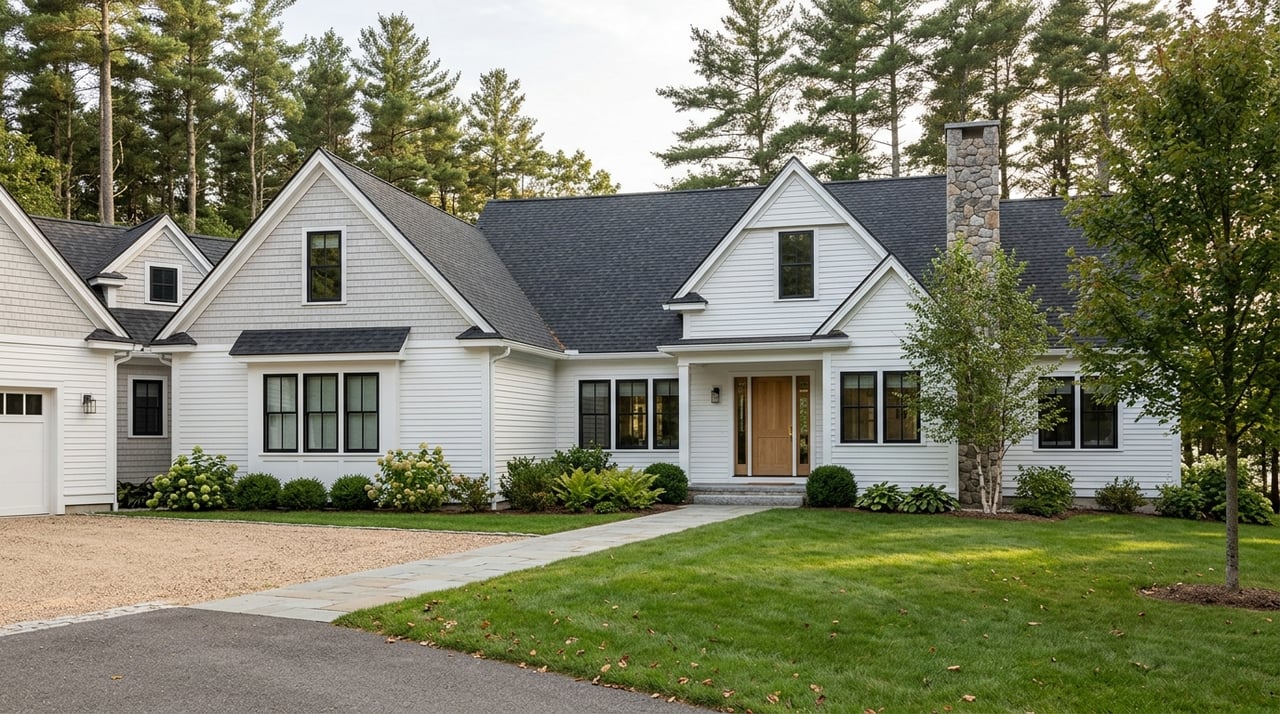
Preparing To Sell A Pleasant Lake Waterfront Home
April 9, 2026
April 9, 2026
Thinking about selling your Pleasant Lake waterfront home? On this lake, preparation matters as much as presentation. Buyers are not only looking at views, frontage, and the house itself. They are also paying close attention to shoreline rules, septic records, and the legal status of what already exists. If you want a smoother sale and stronger positioning, it helps to get ahead of those questions early. Let’s dive in.
Selling a waterfront home in New London is not the same as selling a typical in-town property. Pleasant Lake is a closely watched, high-value market shaped by limited inventory, strong prices, and meaningful shoreline oversight.
That context matters. Redfin’s New London housing data reported a median sale price of $843,000 and 36 days on market in December 2025, while Zillow reported an average New London home value of $686,070 and just seven homes for sale as of February 28, 2026. In a market this small, buyers tend to compare details carefully, and generic listing language rarely does justice to a unique waterfront property.
Pleasant Lake also comes with a stewardship story. The Pleasant Lake Protective Association monitors water quality and tributaries, and the Town of New London reported excellent 2025 water-testing results while also noting cyanobacteria blooms that temporarily closed the town beach and boat launch. The same reporting noted that the Lake Host program inspected 2,093 watercraft in 2025 and that the lake has remained free of milfoil and other invasive species to date.
For you as a seller, that means buyers may look beyond finishes and floor plans. They are often evaluating how the property fits into the lake environment and whether the home has been maintained with care.
On Pleasant Lake, some of the most important value drivers are the ones a new owner cannot easily change later. The town’s 2025 Zoning Ordinance places the lake within the Shore Land Overlay District, which extends 250 feet inland.
Within that area, the first 50 feet is the Waterfront Buffer, followed by a Natural Woodland Buffer intended to protect water quality, habitat, and the natural shoreline condition. The ordinance also limits certain changes to structures, grading, and impervious surfaces. In many cases, impervious coverage is capped at 20% of the overlay area, with up to 30% allowed only if an approved stormwater system is in place.
These details can shape buyer confidence. If your property has direct water access and shoreline frontage that is part of the lot dimension, the ordinance states that each dwelling unit must have at least 200 feet of shore frontage. Existing improvements may also carry more weight because new features are more restricted than many owners expect.
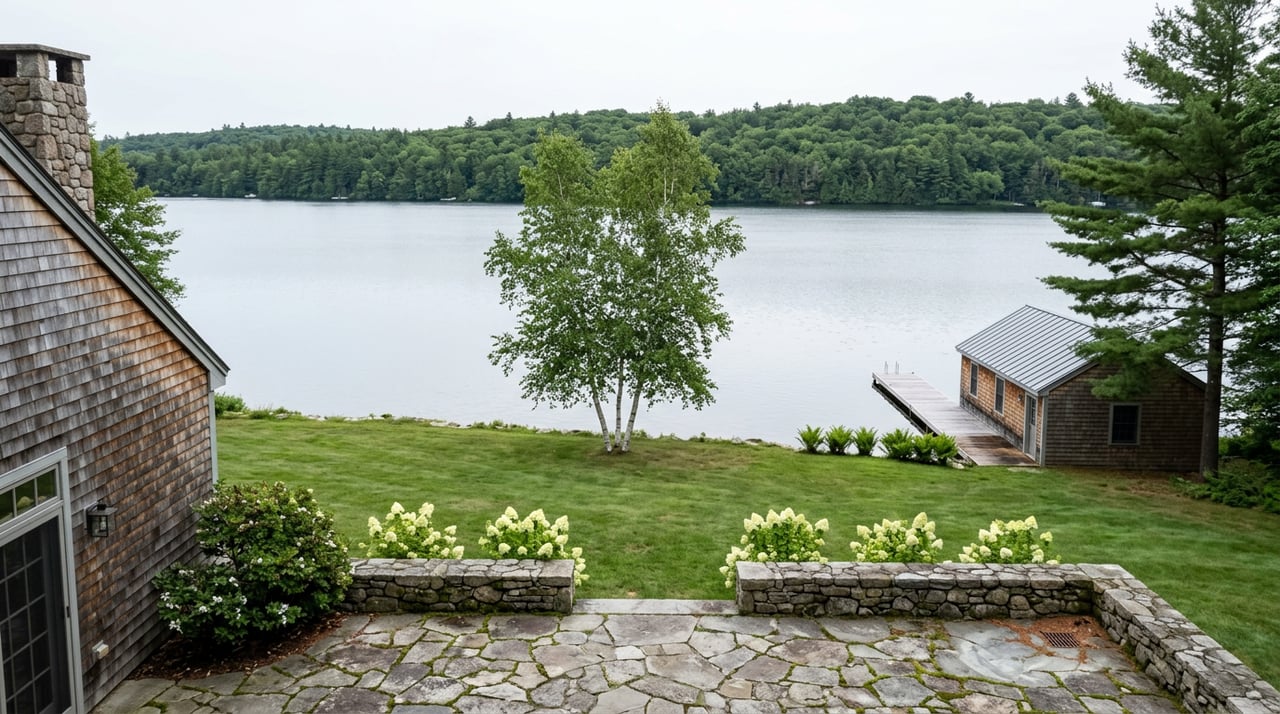
Buyers often want clarity on what is grandfathered, what is permitted, and what can be maintained. Under the town ordinance, existing docks may be maintained or replaced with state permits, but new boathouses are not allowed. The ordinance also states that new beaches cannot be built or expanded, and access rights cannot be created or attached to a shoreland lot.
That is why your existing shoreline setup matters so much. A usable dock, established frontage, and a well-kept shoreline setting can carry real value because a future owner may not be able to recreate them from scratch.
For many Pleasant Lake sales, septic paperwork is one of the first things a serious buyer wants to see. According to the Town of New London septic information, the town’s approved septic regulation took effect January 1, 2026 and requires homeowners with individual sewage disposal systems to regularly pump and inspect septic tanks. The town says systems should be pumped and inspected at least every three years.
State requirements add another layer for waterfront transfers. The town notes that developed waterfront property with septic within 250 feet of the reference line requires a buyer-paid septic evaluation before transfer, and if the system fails, it must be replaced within 180 days. Buyers may accept a seller-prepared evaluation if it is recent enough.
If you gather these records before going to market, you reduce uncertainty and help the transaction move with fewer surprises.
A Pleasant Lake sale usually benefits from a more detailed prep process than a standard home sale. Before listing, it helps to assemble a clean, organized property file.
Consider gathering:
This is especially useful for legacy properties and second homes. When buyers are considering a waterfront home from a distance, they often value a clear handoff and documented care.
A waterfront home should look appealing, but appearance alone is not enough. On Pleasant Lake, buyers may connect property value to how well the land handles runoff, protects soils, and preserves shoreline character.
According to New Hampshire DES guidance on shoreline protection, erosion can add nitrogen and phosphorus, contribute to invasive aquatic vegetation, and support cyanobacteria blooms. The same guidance explains that native vegetation helps slow runoff and protect soils from shoreline loss.
That makes your exterior preparation more than cosmetic. Clean drainage paths, stable shoreline areas, thoughtful landscaping, and preserved natural vegetation can all support a stronger buyer impression. They suggest the property has been cared for in a way that respects both the home and the lake.
Not every pre-sale update delivers equal value. On Pleasant Lake, buyers often place more weight on shoreline usability, records, and low-drama ownership than on decorative changes.
You may get better results by focusing on:
Interior presentation still matters, of course. But on a waterfront property, the setting, legal clarity, and condition of exterior systems often shape the conversation just as much as the kitchen or primary suite.
Timing can influence both presentation and buyer response. National research points to late spring as a strong listing window.
Zillow’s analysis of listing timing says homes listed in the last two weeks of May earned about 1.7% more on average nationally, and it notes that most people start thinking about selling three to four months before they list. Realtor.com’s 2025 research, cited in the same market discussion, identified mid-April as a strong listing window and noted that many sellers spend one month or less getting ready.
For a Pleasant Lake home, spring and early summer often make the property easier to understand. Buyers can better appreciate frontage, dock usability, views, tree cover, and the full shoreline setting when the lake is active and the landscape is in leaf.
That does not mean every seller should wait. It means you should start early enough to choose your launch moment rather than rushing into the market before the home and paperwork are ready.
Some Pleasant Lake owners value privacy as much as price. That is especially common with legacy holdings or long-held second homes where family timing, discretion, and logistics all matter.
A quiet pre-market phase can help. You can use that time to gather records, prepare the property, clarify any questions about permits or systems, and decide whether private showings make sense before a broader launch.
In a market with tight supply, careful preparation can matter quickly once your home is released. With limited homes for sale in New London and strong local pricing signals, a well-positioned waterfront listing may attract immediate attention.
The strongest Pleasant Lake listings usually do not rely on broad claims. They present the home with accuracy, confidence, and context.
That means highlighting facts that matter to waterfront buyers, such as shoreline frontage, dock status, outdoor usability, septic readiness, and documented maintenance. It also means understanding that buyers may ask as much about overlay rules and property stewardship as they do about finishes.
On this lake, value comes from a combination of setting, legal status, and care over time. When those elements are presented clearly, your property is easier for the right buyer to understand and easier to trust.
If you are preparing to sell a Pleasant Lake waterfront home, thoughtful planning can protect both value and peace of mind. For guidance shaped by deep local knowledge and a discreet, strategic approach, connect with Pamela Perkins.
Discover additional insights, market perspectives, and curated real estate guidance.







With generational ties to Lake Sunapee and a record that defines the New Hampshire luxury market, Pam Perkins represents a level of knowledge, discretion, and performance that few can match. Her clients trust her not only because of what she’s sold — but because of what she knows.
Connect with New Hampshire’s Top Broker