Buying On Lake Sunapee: Shoreline And Access Essentials
April 23, 2026
April 23, 2026
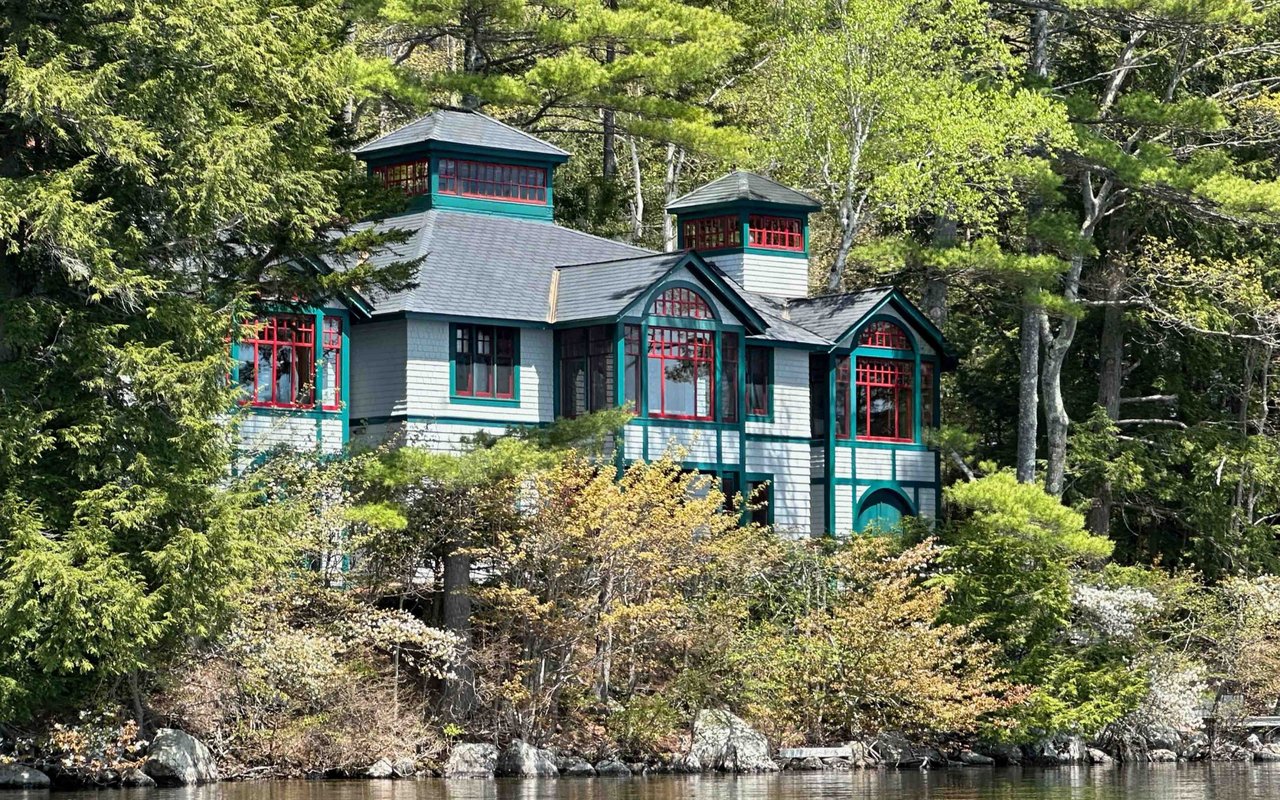
When you start looking at property on Lake Sunapee, it is easy to focus on the view first. But on this lake, how you reach the water, how the shoreline sits, and how the property functions through the seasons can matter just as much as the house itself. If you want to buy with confidence, it helps to understand the difference between direct frontage, shared access, public launch proximity, and shoreline setting before you make an offer. Let’s dive in.
Lake Sunapee is a large, varied lake, not a one-size-fits-all waterfront market. The Lake Sunapee Protective Association describes the lake as about 4,155 acres with roughly 36 miles of shoreline, 11 islands, and geography that stretches across six towns.
That scale is part of what makes buying here so appealing, but it also means one property can live very differently from another. A home near a harbor, a protected cove, or a broader open-water stretch may offer a very different day-to-day experience, even when both are on Lake Sunapee.
If you are buying on Lake Sunapee, it helps to think in micro-locations instead of searching only by town name. The lake’s long, narrow shape and varied shoreline create meaningful differences in boating feel, exposure, and access.
According to the 2020 watershed management plan, the lake is about 8.1 miles long and has a roughly 4-to-1 length-to-width ratio. That shape helps explain why a sheltered basin can feel calm and tucked away while a more open reach may offer wider views and more boating activity.
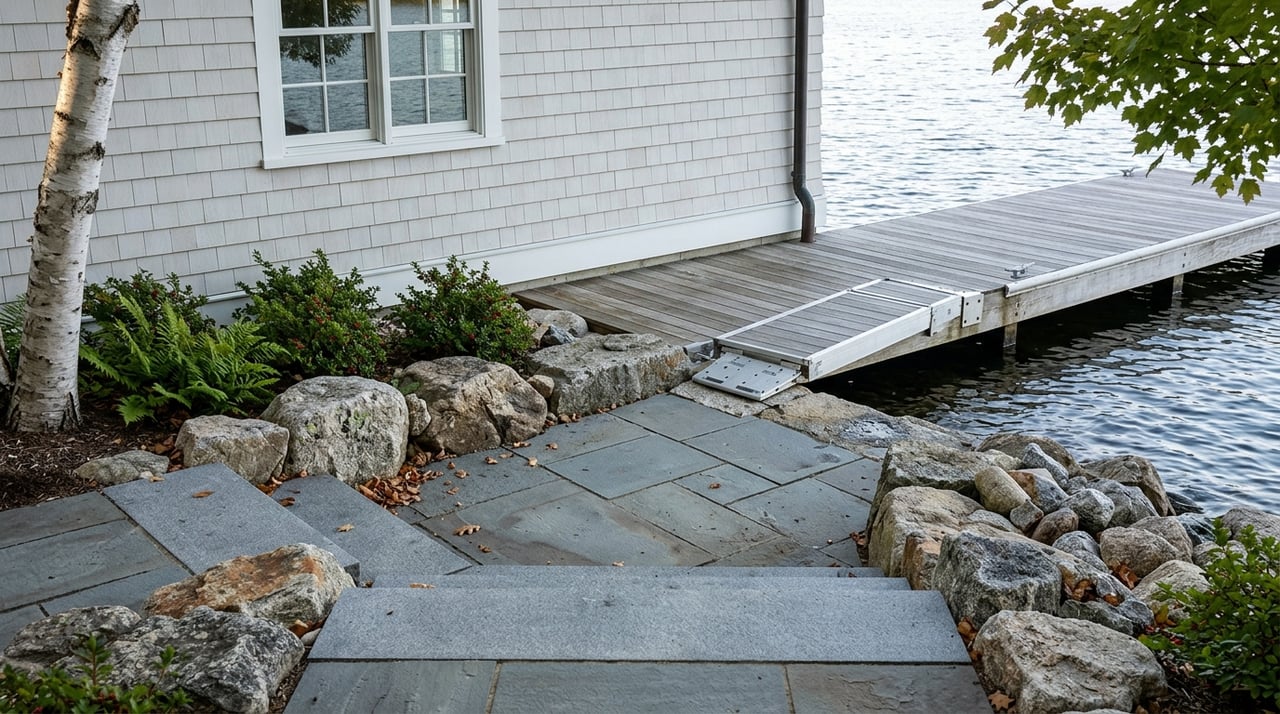
A protected cove or harbor-adjacent setting may appeal if you want a quieter shoreline feel. These areas can offer a more sheltered experience, but the exact conditions at the shoreline, including depth and dock usability, still need to be checked property by property.
Lake Sunapee’s water level is managed within a relatively narrow range. The same watershed plan notes a target variation of about three feet, which is one reason near-shore depth should never be assumed.
Open-water locations can offer broader lake views and more room for boating. In many cases, they also come with greater wind exposure, wave action, and boat traffic.
That does not make them better or worse. It simply means the right fit depends on how you plan to use the property and what kind of waterfront experience you want.
Not every strong Lake Sunapee purchase has to include direct waterfront. In some cases, a home with convenient access to a launch, dock, beach, or harbor can support the lifestyle you want very well.
LSPA identifies five public access ramp locations, including Sunapee Harbor, Georges Mills, Mount Sunapee State Park, Blodgett Landing, and Burkehaven, with one of those being a private ramp open to the public. That is useful context if you are comparing direct frontage to a water-access or nearby village property.
The Town of Sunapee states that its harbor boat launch, docks, and gas pumps are open, and its 2025 ordinance update says non-commercial recreational use does not require a permit. Newbury also highlights a public dock in the harbor and amenities at the state beach area, including a public launch, parking, and boat rentals, as summarized by LSPA in its watershed materials.
For buyers, this means access can be more flexible than it first appears. A property without direct shoreline may still work beautifully if it is well positioned near one of the lake’s established access points.
Mount Sunapee State Park is one of the lake’s key public access points. The park notes that the beach and launch area include amenities such as a bathhouse, playground, store, and boat launch, but it also notes that parking is limited and reservations can be made in advance.
That matters if you expect to use public access regularly. Convenience on paper and convenience on a busy summer day are not always the same thing.
One of the most important buying questions is whether the water near the property supports the way you actually want to use the lake. On Lake Sunapee, shoreline width, water depth, and proximity to shore can make a real difference.
LSPA’s wake-sport guidance recommends wakesurfing at least 500 feet from shore, with 1,000 feet preferred where possible, and only in water at least 20 feet deep. If that type of boating is important to you, a narrow or shallow area may not be the right fit.
If your priorities are swimming, paddling, quiet mornings, or easier shoreline protection, a more sheltered setting may suit you better. The key is to connect the map, the shoreline conditions, and your actual lifestyle before moving forward.
Beautiful shoreline does not override regulations. Buying on Lake Sunapee means paying close attention to both state shoreland law and local zoning rules.
New Hampshire’s Shoreland Water Quality Protection Act applies to land within 250 feet of the reference line of lakes and ponds over 10 acres. It sets a 50-foot primary building line and requires approval for water-dependent structures such as docks.
If a listing mentions beach rights, shared waterfront, or HOA access, make sure those rights are supported by recorded documents and approved plans. That step is especially important on Lake Sunapee, where local rules can limit how shoreland lots are used for access.
Newbury’s zoning ordinance says shoreland lots may not be used as common waterfront access for multiple units or non-waterfront properties except under approved standards. The ordinance also notes that access rights should be created through recorded pedestrian easements or approved common areas that meet specific requirements.
For developed waterfront property, state law may require a septic evaluation before transfer if any portion of the septic system lies within 250 feet of the lake’s reference line. That is not something to sort out late in the process.
It is better to identify that requirement early so your due diligence timeline stays realistic.
Lake Sunapee is not just a summer market. If you expect to enjoy the property in every season, winter access deserves the same attention as summer dock use.
The Mount Sunapee Environmental Management Plan says the State Beach access road and parking area are plowed in winter so the public can reach the lake for seasonal activities such as ice fishing and snowmobiling. At the same time, winter lake conditions are not uniform.
Sunapee police guidance, cited in the research materials, warns that ice can be unpredictable and affected by dock bubblers. If winter use matters to you, ask practical questions about plowing, parking, snow storage, and how the shoreline behaves in colder months.
On a lake as nuanced as Sunapee, a short list of targeted questions can save you time and protect your decision.
Consider asking:
LSPA notes that Lake Hosts and invasive-species inspections are part of the lake’s stewardship efforts, especially during the boating season. If you plan to trailer a boat between lakes, that routine should be part of your planning from the start.
The best Lake Sunapee purchase is not always the property with the longest frontage or the boldest view. It is the one where the shoreline, access, rules, and seasonal use all line up with how you want to live.
That kind of clarity comes from local judgment, not just listing photos. If you are considering a waterfront or water-access property in the region, working with someone who understands shoreline nuance can help you weigh the tradeoffs with confidence. When you are ready to explore Lake Sunapee opportunities, connect with Pamela Perkins for informed guidance tailored to this market.
Discover additional insights, market perspectives, and curated real estate guidance.
With generational ties to Lake Sunapee and a record that defines the New Hampshire luxury market, Pam Perkins represents a level of knowledge, discretion, and performance that few can match. Her clients trust her not only because of what she’s sold — but because of what she knows.
Connect with New Hampshire’s Top Broker